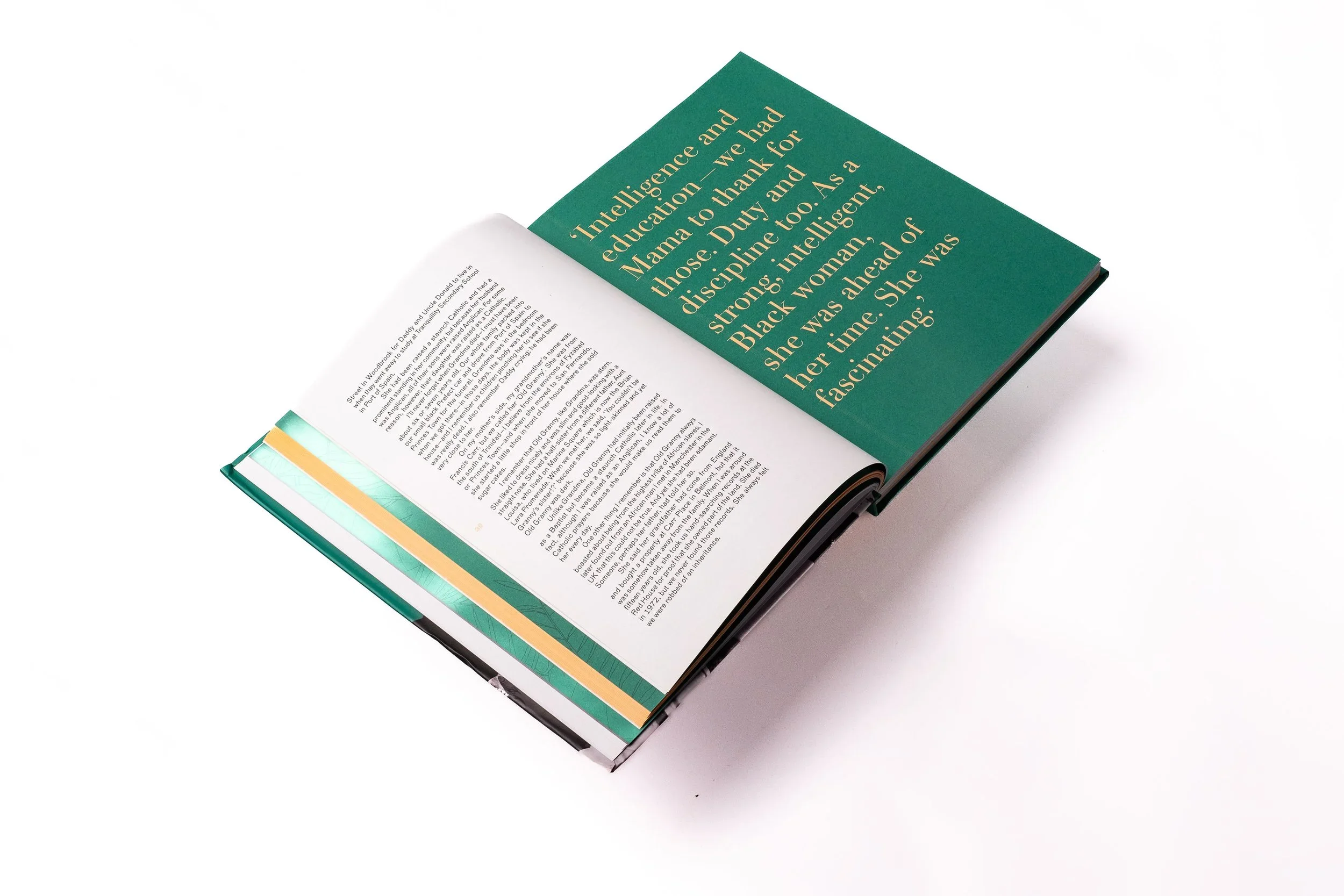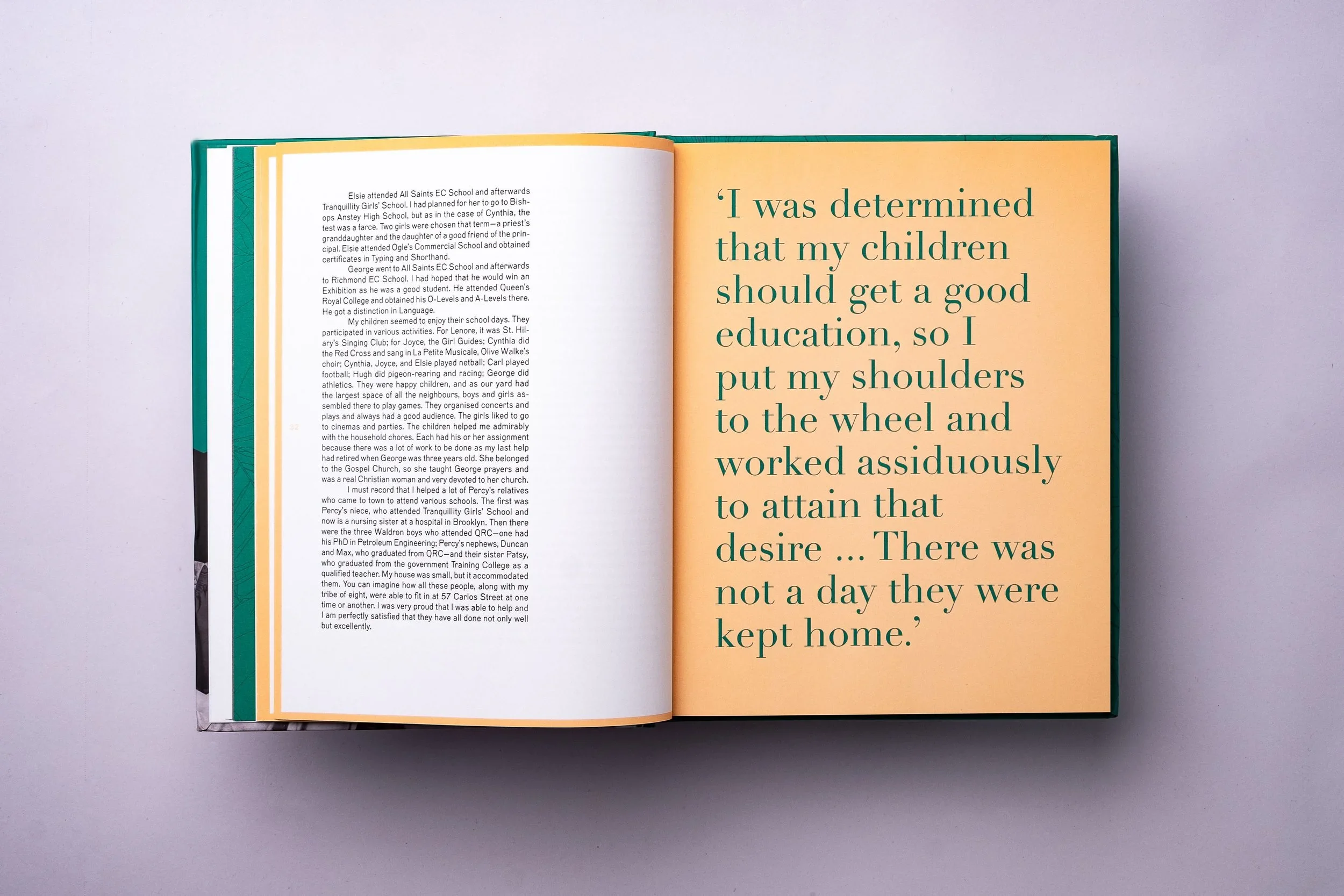
You know the stories are there.
You've heard fragments – at dinner, at funerals, in the car on long drives. Your father mentions the village he grew up in, then changes the subject. Your grandmother starts a story, then waves it away: "Oh, that was a long time ago." Your uncle insists his life "isn't interesting enough" to record.
And meanwhile, the clock keeps ticking.
Getting reluctant family members to share their stories is one of the most common challenges people face when trying to preserve a family history. The desire to capture these stories often comes from the children or grandchildren, the very people the storyteller is most likely to brush off. ("You don't want to hear about all that.")
Here's what we've learned from years of conducting family interviews across 28 countries.
Understand Why People Resist
Before you can get past the reluctance, it helps to understand where it comes from. People hold back for different reasons, and the approach that works depends on which one you're dealing with.
"My life isn't interesting enough." This is the most common one, and it's almost always wrong. The person who crossed oceans, raised a family, navigated political upheaval, or built a business from nothing thinks their story is ordinary because they lived it. From the inside, every life feels normal. It takes someone else – a listener, an interviewer – to reflect back how extraordinary it actually is.
Privacy and vulnerability. Sharing personal stories means exposing yourself. It means talking about failures, losses, and decisions you might have made differently. For people who grew up in cultures or generations where emotional openness wasn't the norm, this can feel deeply uncomfortable.
Fear of being recorded. Something shifts when a recording device appears. The storyteller who holds a room at dinner suddenly becomes self-conscious when they know it's "on the record."
Family tensions. Some stories involve people who are still alive, relationships that are still complicated, and events that different family members remember very differently. The reluctance to share sometimes comes from a desire to avoid reopening old wounds.
Knowing which of these is at play will shape how you approach the conversation.
Start With Objects, Not Questions
One of the most reliable ways to unlock stories is to put something tangible in front of the storyteller. An old photograph. A piece of jewellery. A letter. A menu. A recipe.
As we explored in our article on the role of family heirlooms in preserving history, even ordinary objects can open extraordinary doors. A well-worn watch reveals something about a grandfather's habits. A battered cookbook tells you about the meals that shaped a family. A newspaper clipping from 1962 transports someone back to the moment they held it for the first time.
Objects bypass the self-consciousness that direct questions can trigger. Instead of asking "Tell me about your childhood" (which feels like a spotlight), you place a photograph on the table and ask "Who's this?" And in an instant, the storyteller isn't performing anymore – they’re remembering.
When the Ferreira family brought their archives to Plantain, the collection included vinyl records, artwork, studio portraits, and Granny's garlic pork recipe. Each object was a thread that, when pulled gently, unravelled into a larger story.
Ask About the World, Not Just the Person
"Tell me about yourself" is a paralysing question for many people. It can be too big, too vague, too much like an… well, interview.
Try asking about the world instead. "What did your street look like when you were growing up?" "What were Sundays like in your neighbourhood?”
These questions invite the storyteller to walk through a scene rather than narrate a biography. And the answers almost always lead somewhere richer than a direct question about their life would.
As we noted in our piece on teaching children about history, understanding the world someone grew up in (the social norms, the daily routines, the things that have since disappeared) is one of the most engaging ways to connect with the past. The same principle applies when you're interviewing a family member. The context is where the life lives.
Reframe the Purpose
Many reluctant storytellers assume the book or recording is about them. They see it as a spotlight, and maybe even an act of vanity. Reframing the purpose can change their willingness entirely.
The Waldron family commissioned their book to transfer knowledge and values across generations. They saw it as a gift to their grandchildren and great-grandchildren, a way to ensure that the lessons learned, the values upheld, and the resilience demonstrated would be available to future generations who would never meet the people who embodied them.
When a grandparent hears "I want to make sure your great-grandchildren know who you were and where they came from," the dynamic often shifts. They're no longer being asked to talk about themselves, but rather to leave something behind for people they love, those who may not even be born yet.
Plantain's founders articulated this beautifully in a recent reflection: watching their daughter with her grandparents made them realise that "the stories we record today are the currency that will keep their bond alive for years to come." That framing (stories as a currency) tends to resonate with even the most reluctant storytellers.
Consider Bringing in a Professional
Here's a truth that can be hard to accept: sometimes, a stranger is easier to talk to than a family member.
With your own children or grandchildren, there's baggage. There are stories you've told a hundred times, and stories you've deliberately withheld. There are dynamics that make certain conversations difficult.
A professional interviewer arrives without that baggage. They're skilled at putting people at ease, at asking follow-up questions that a family member might not think of, and at creating a space where it's safe to be honest.
Don't Wait for Perfect Conditions
The biggest risk isn't that your family member says no. The biggest risk is that you keep meaning to ask and never do.
Memories fade. Health declines. People move further apart. The window for capturing stories is always narrowing, and you rarely realise how narrow it's become until it's too late.
You don't need a formal setup. You don't need perfect lighting or a professional microphone. A phone recording app, a cup of tea/coffee, and a photograph from 1970 is enough to start. You can always refine the material later, or bring in a professional team to help you turn raw recordings and archives into something permanent and beautiful.
Plantain has published a free interview guide with practical tips for conducting family interviews on your own. It's a good starting point if you're not ready for a full project but want to begin capturing stories now.
When You're Ready for More
If you've started gathering stories and you're thinking about turning them into something lasting – a book your family will hold onto for generations – we'd love to hear from you.
Browse Plantain's portfolio to see the kind of books we create from exactly these raw materials: the photographs, the letters, the reluctantly shared stories that turned out to be the most important ones of all.