The 802 Caribbean Women, Children and Men of the M.V. Windrush
Between 1948 and 1970, nearly half a million people migrated from the Caribbean to Britain.
They were encouraged by the 1948 British Nationality Act that granted citizenship and right of abode in the UK to all members of the British Empire. These Caribbean men, women and children lived, worked and built families, that contributed to rebuilding Britain after World War II. They were later referred to as "the Windrush generation".

Advert for passage on M.V. Empire Windrush from Kingston, Jamaica to the UK. Source: The Daily Gleaner, 15 April 1948
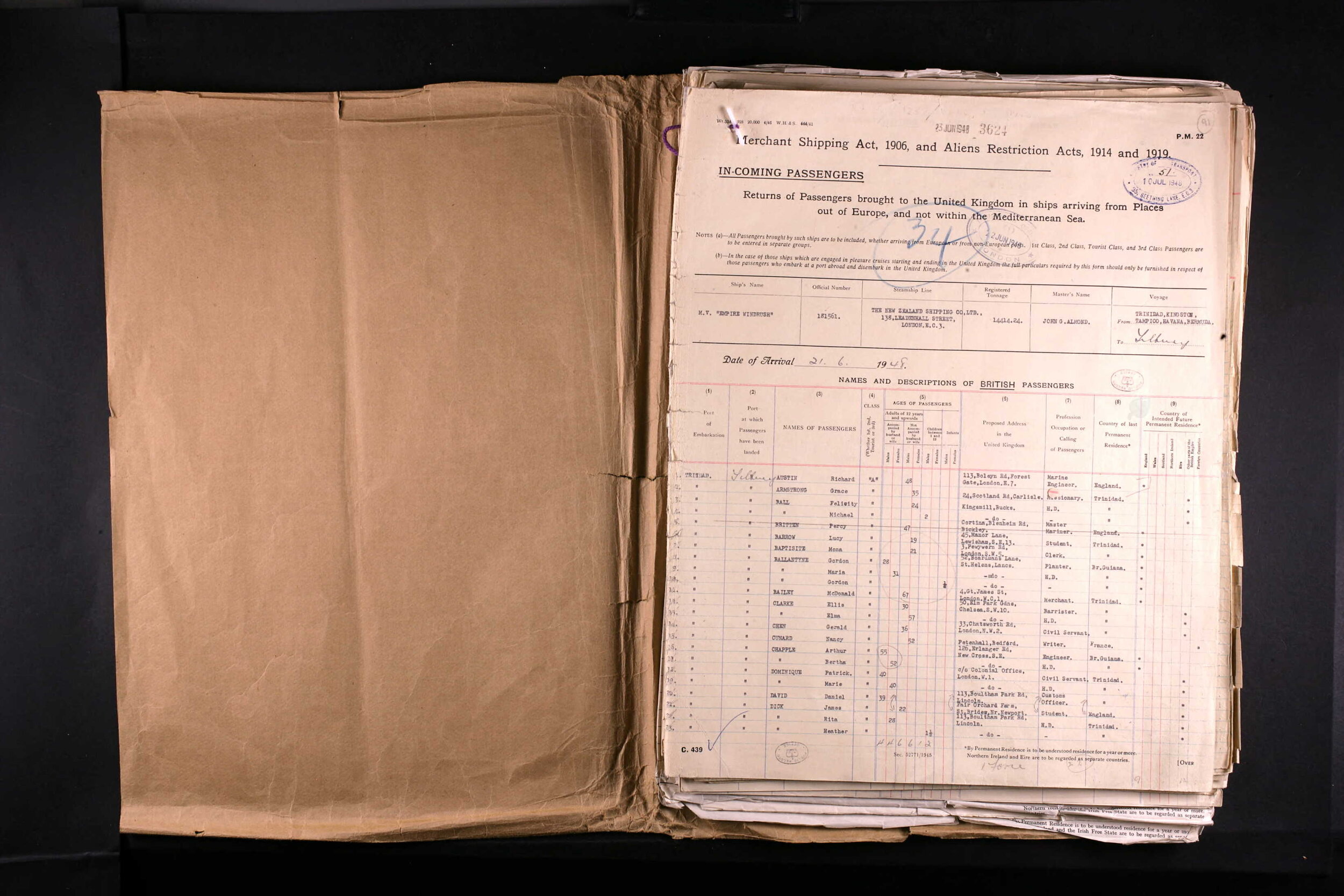
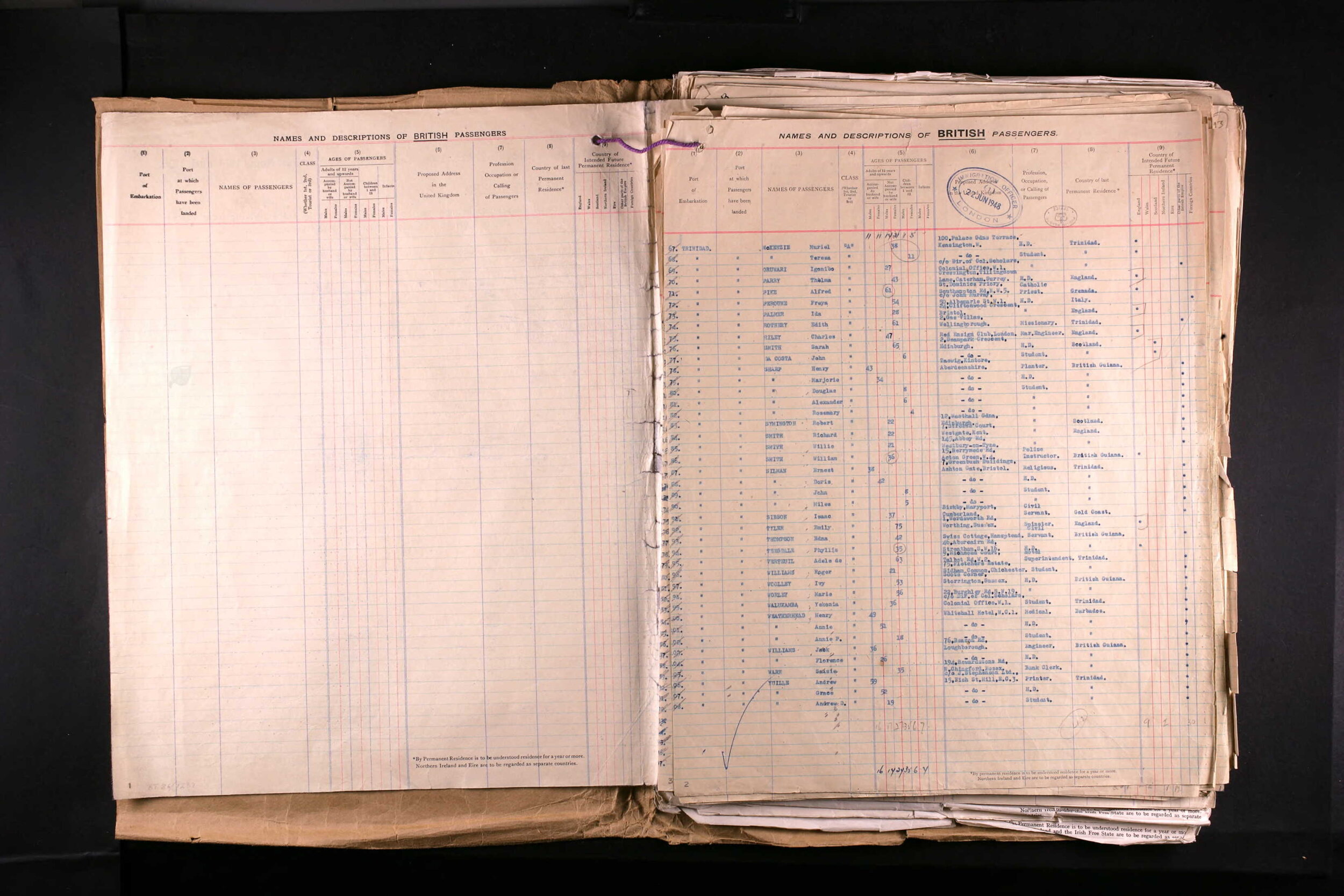
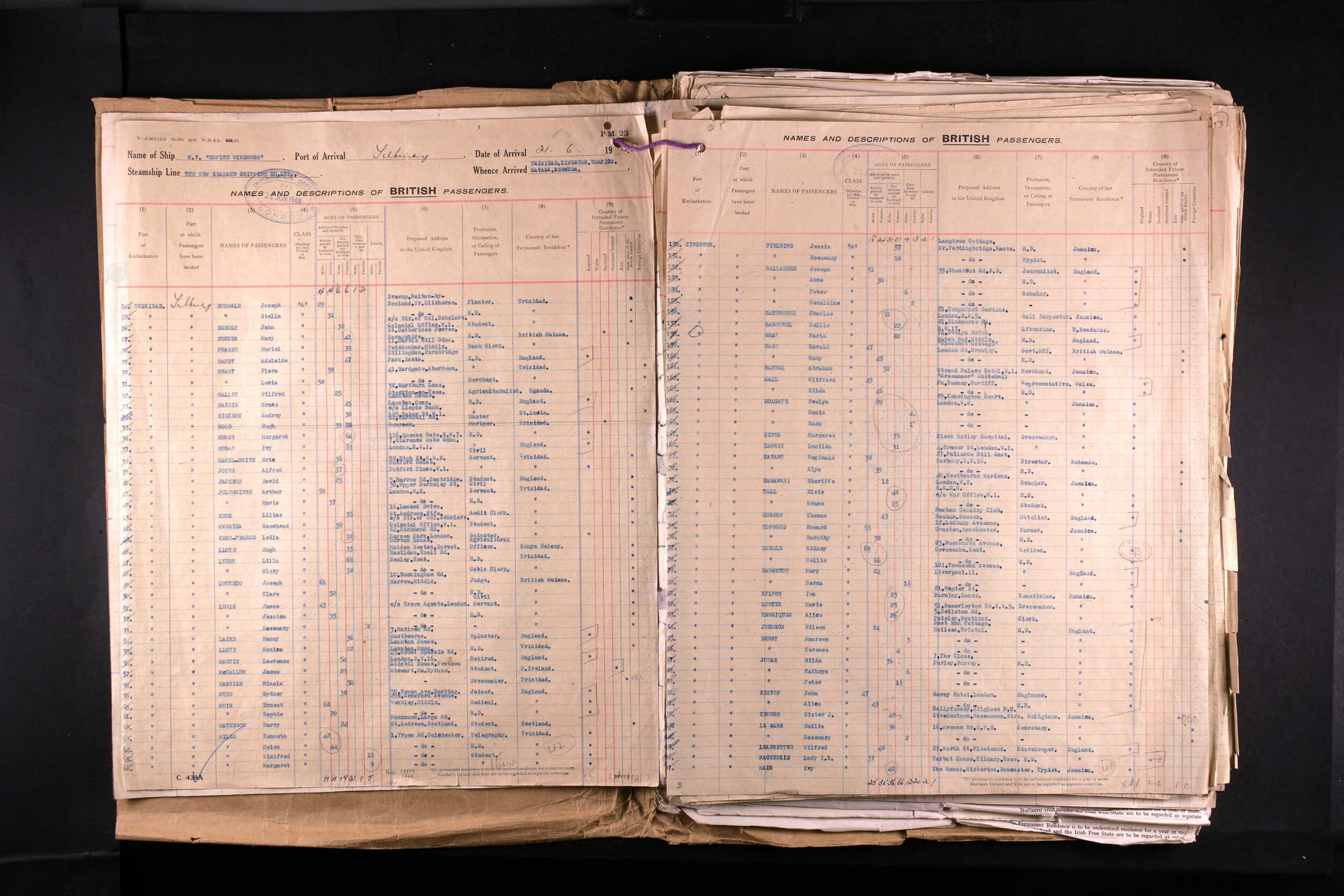
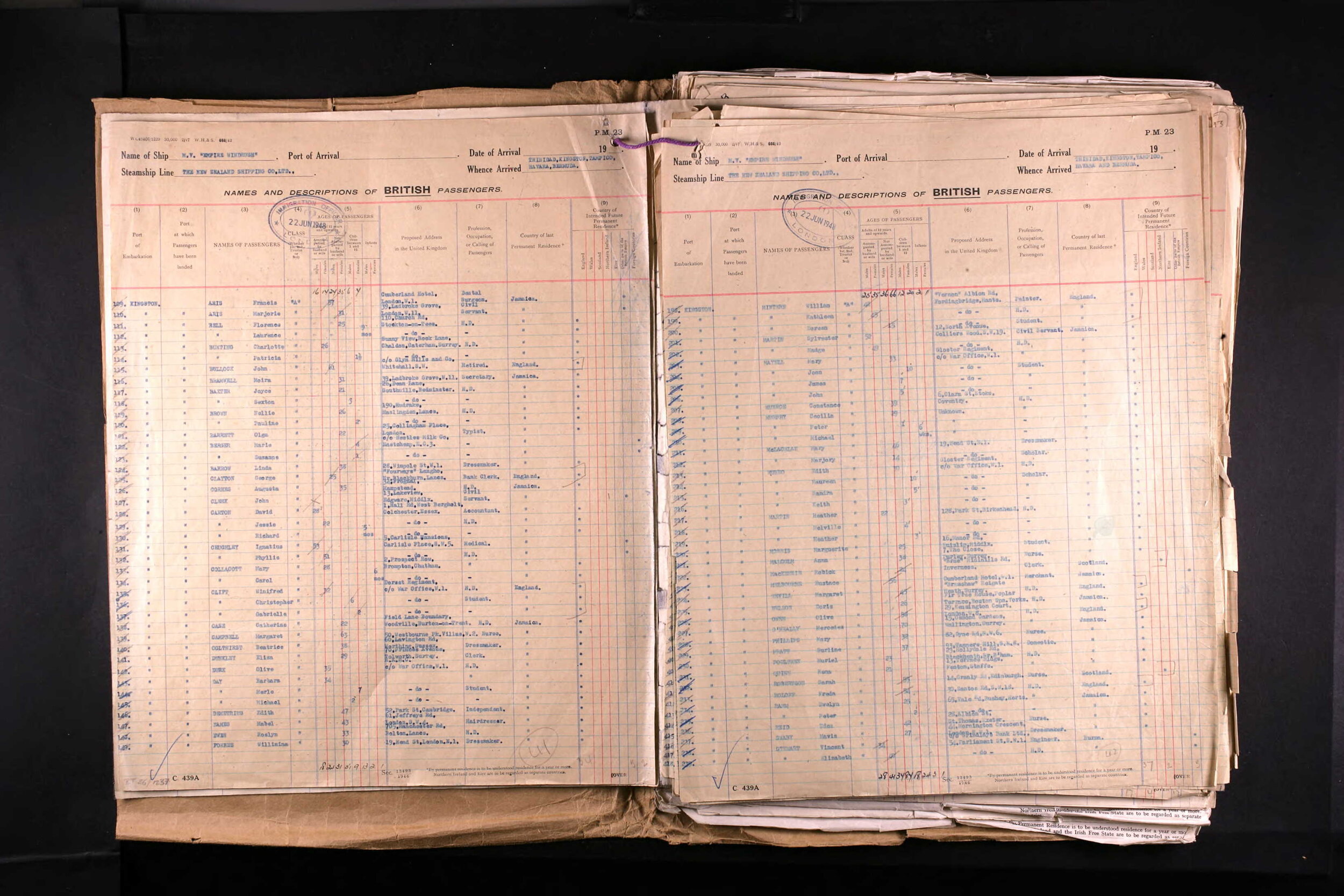
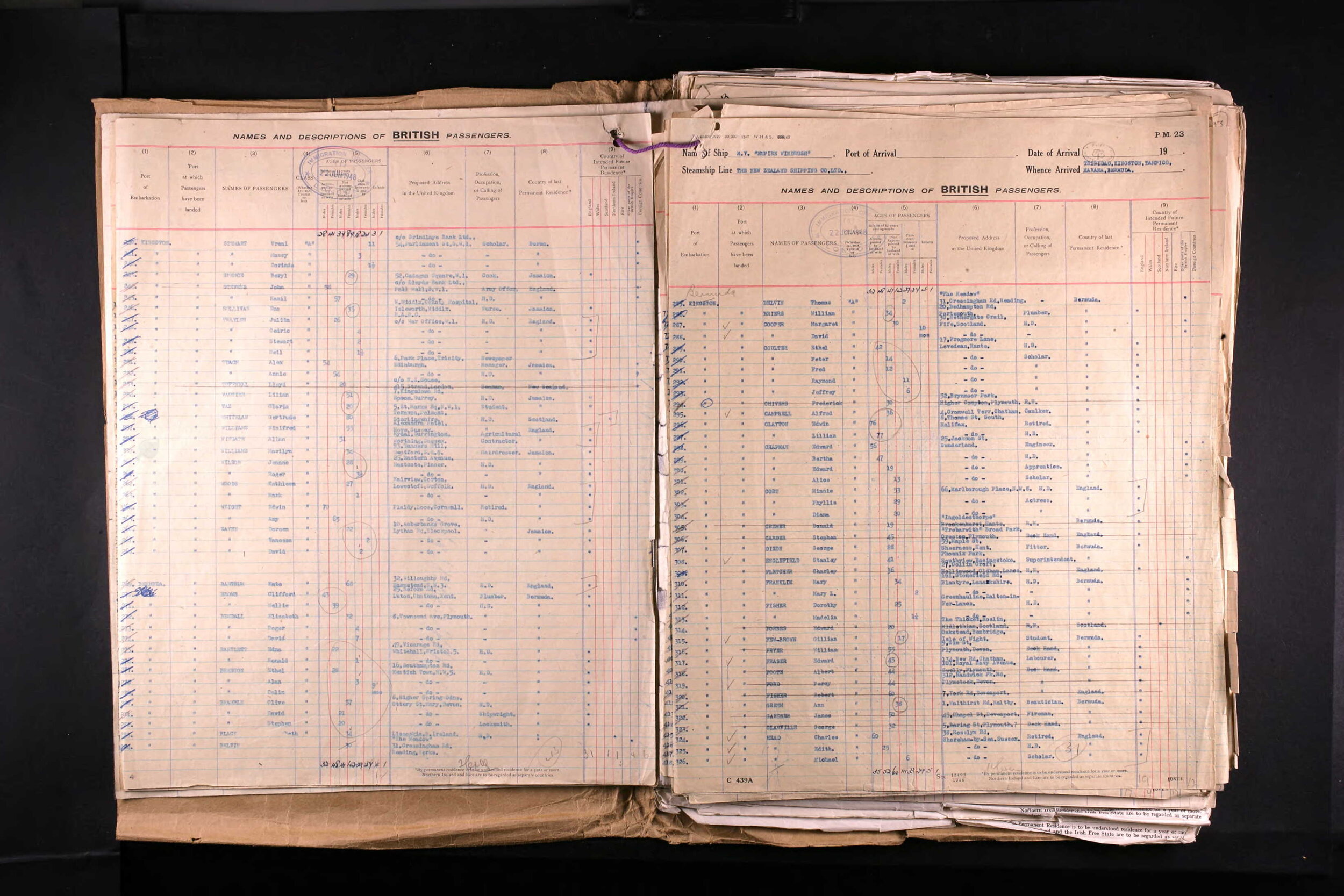
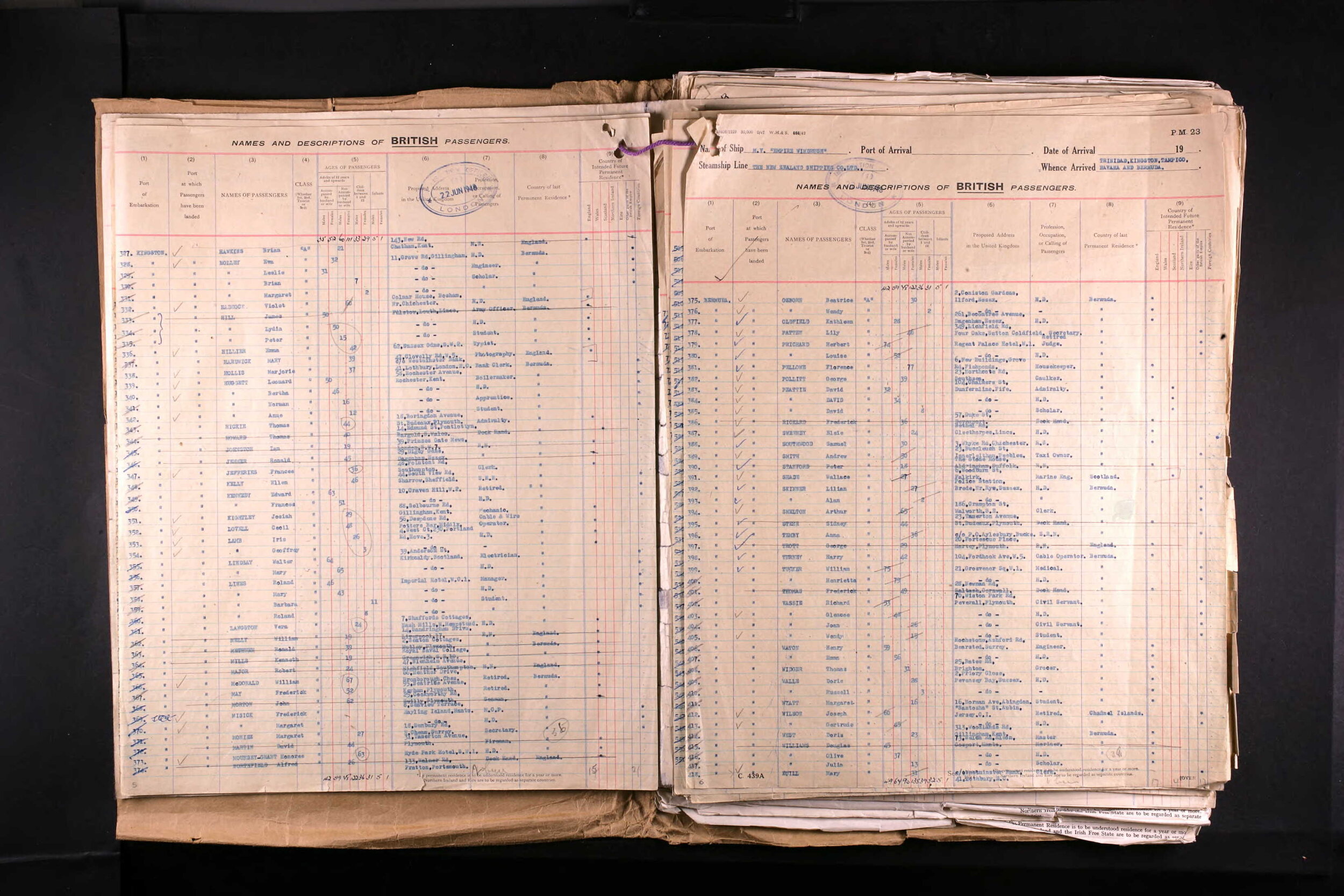
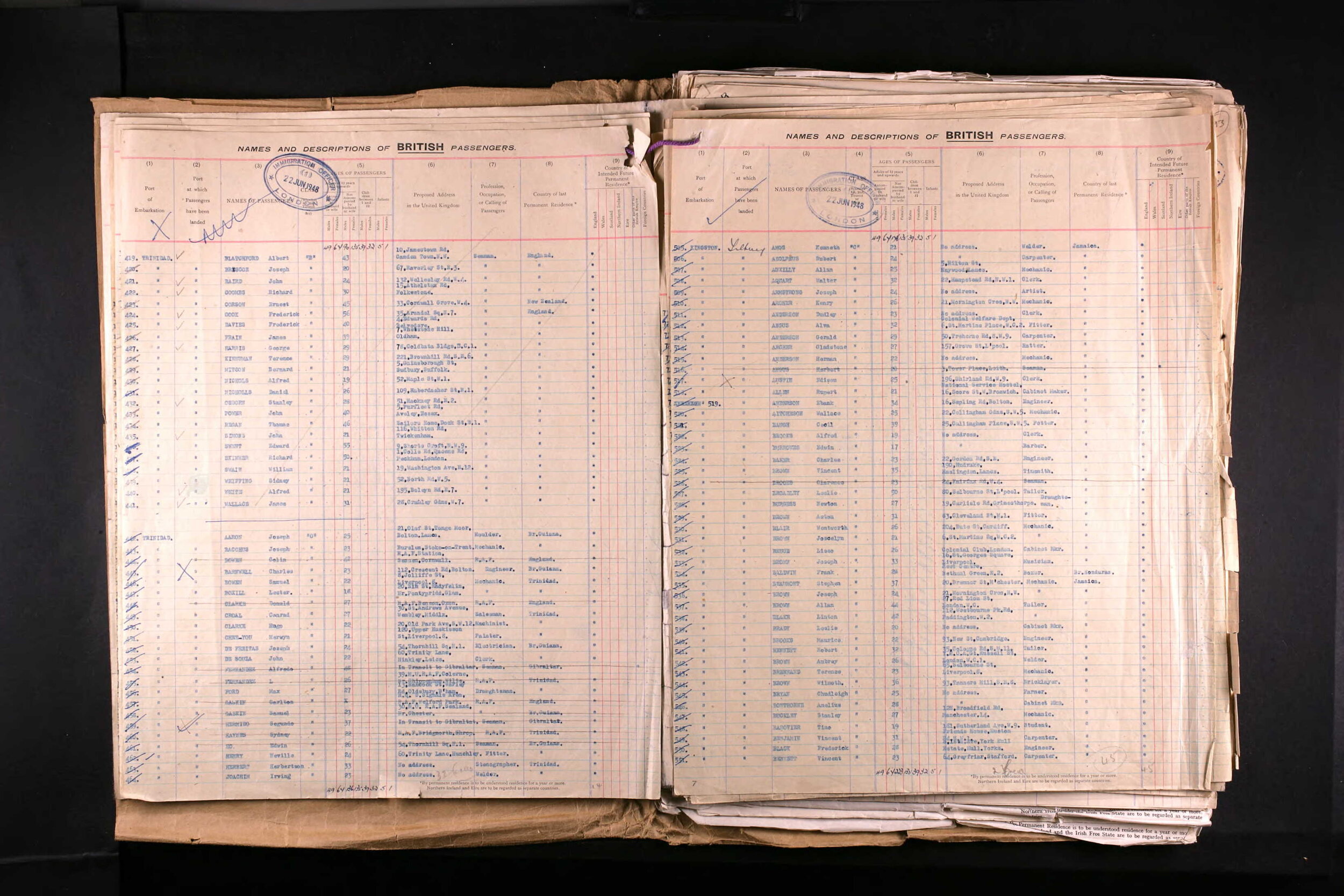
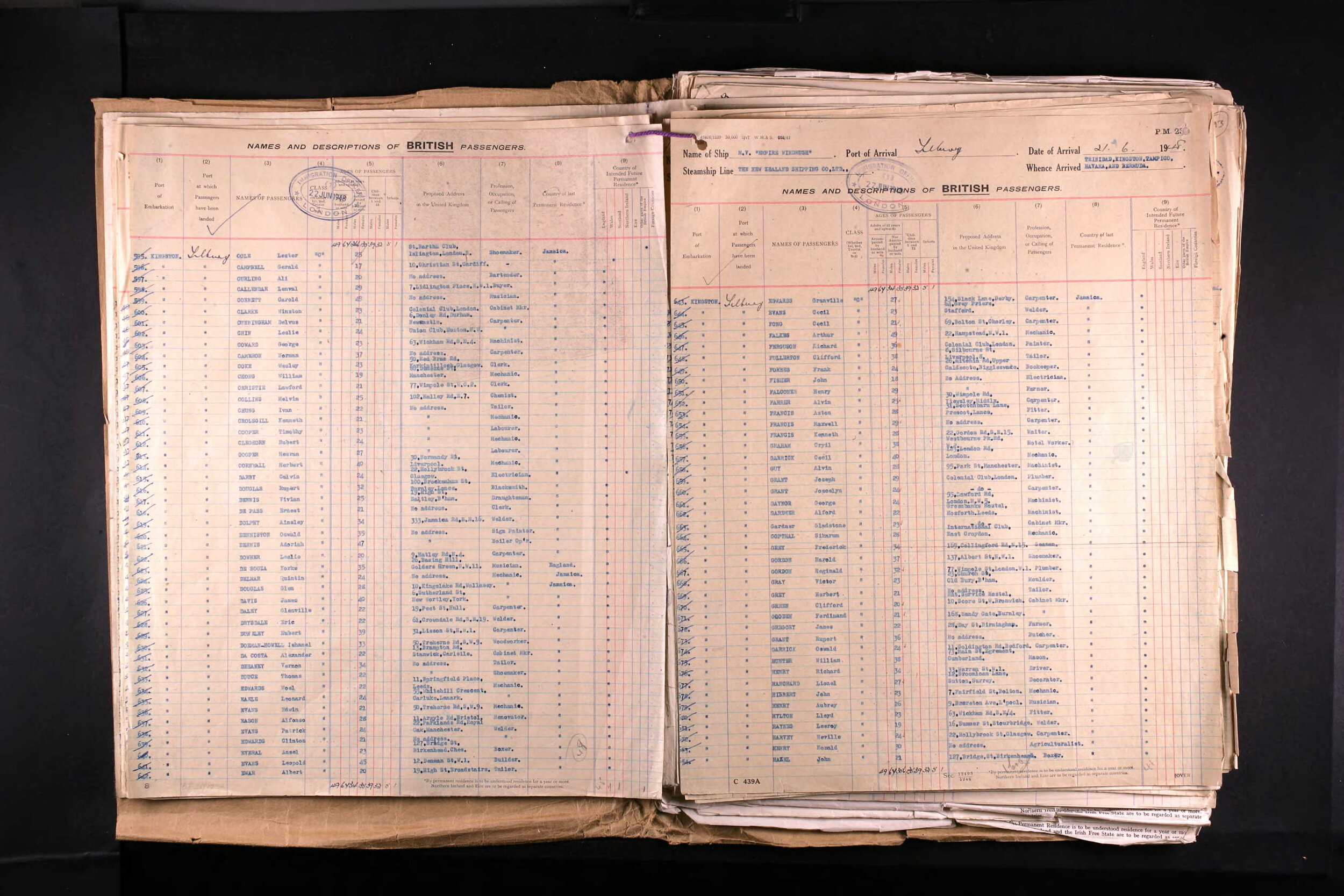
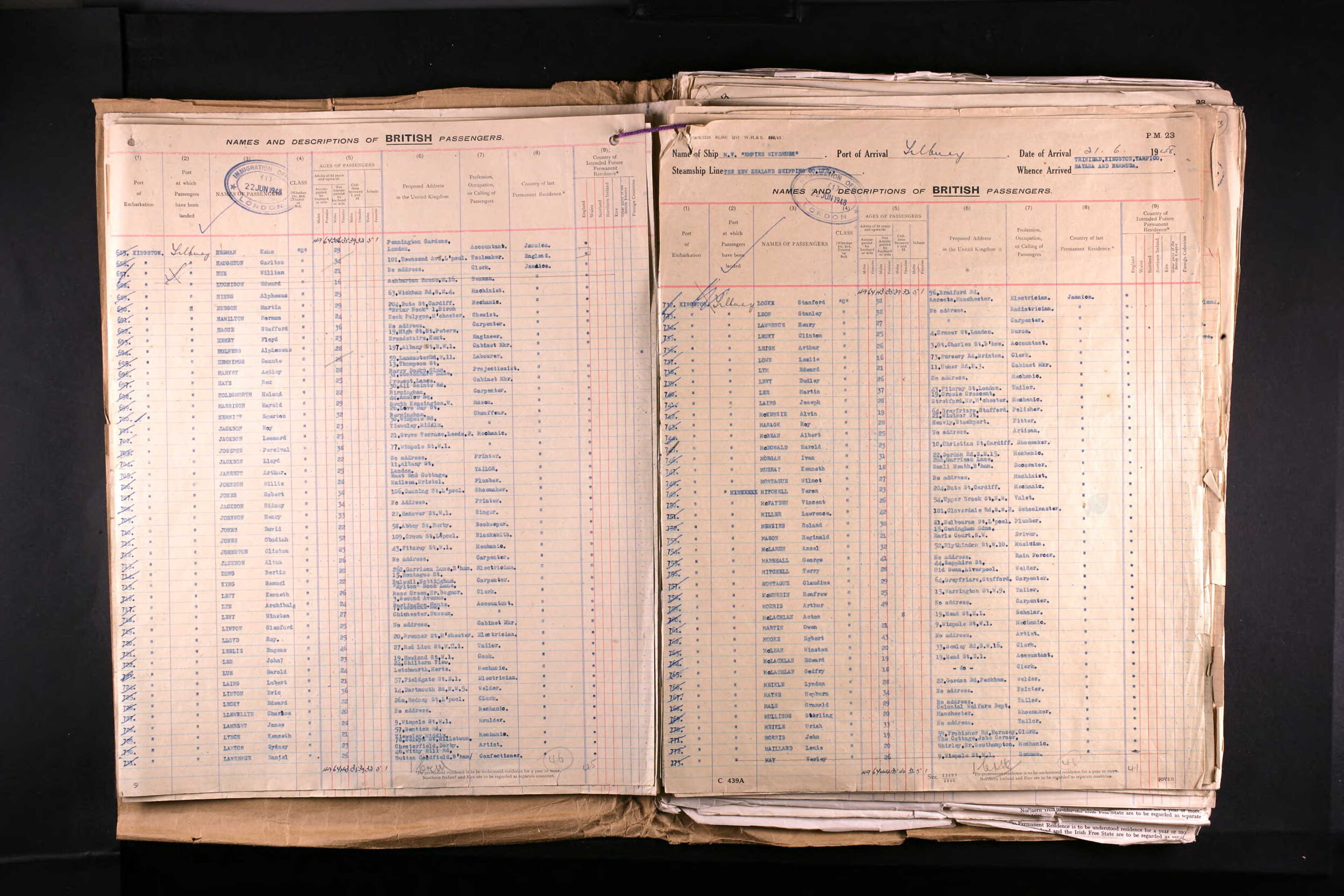
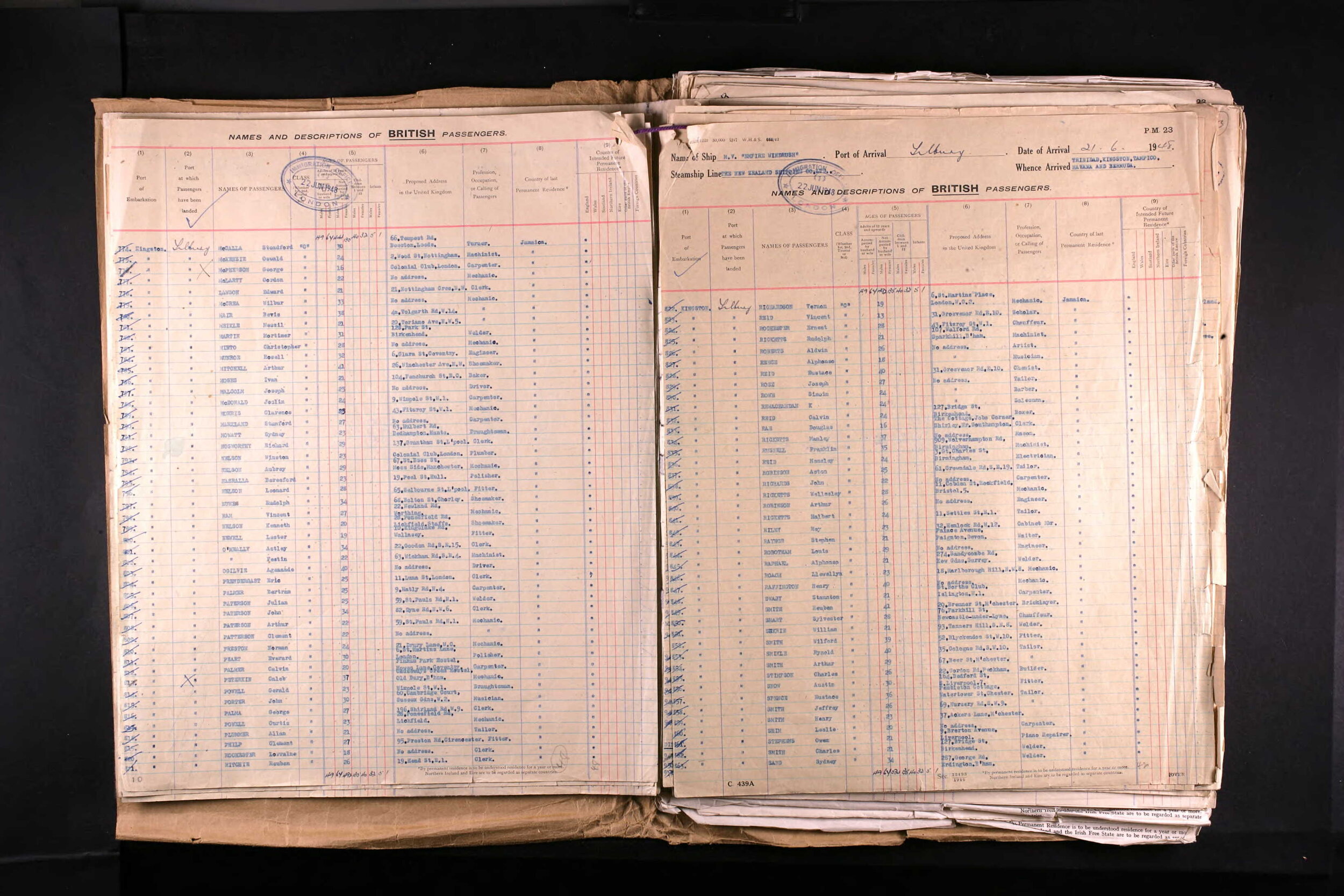
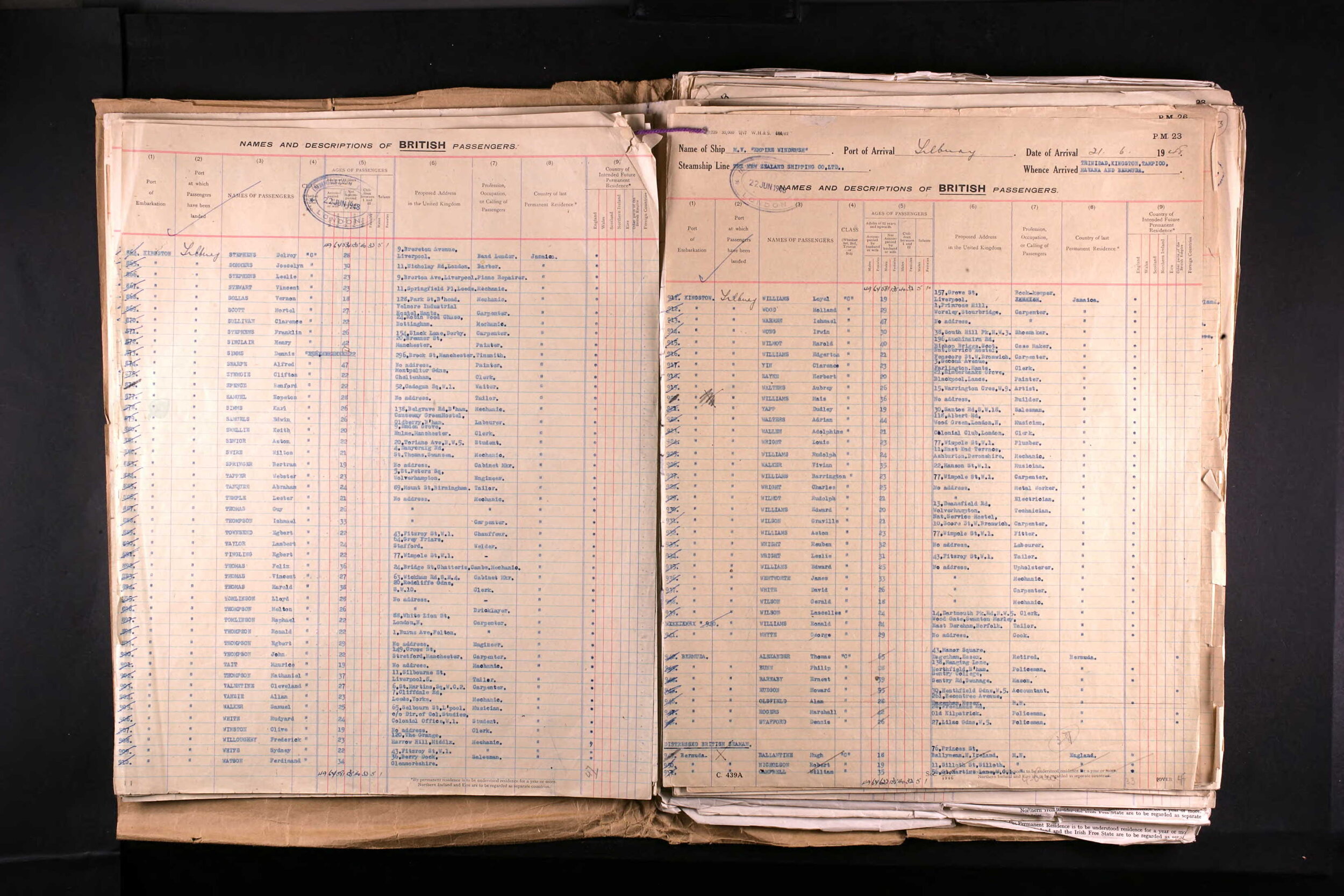
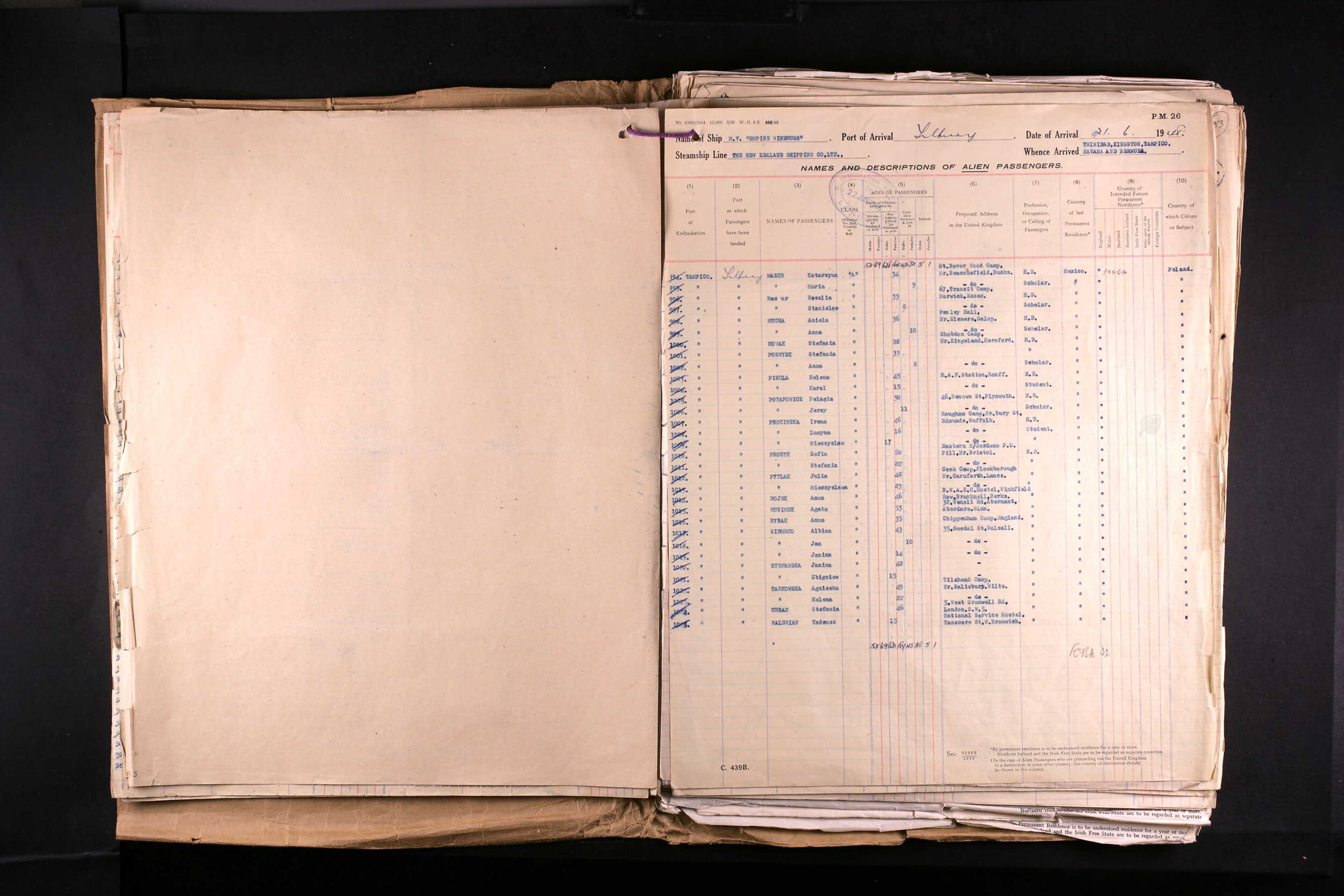
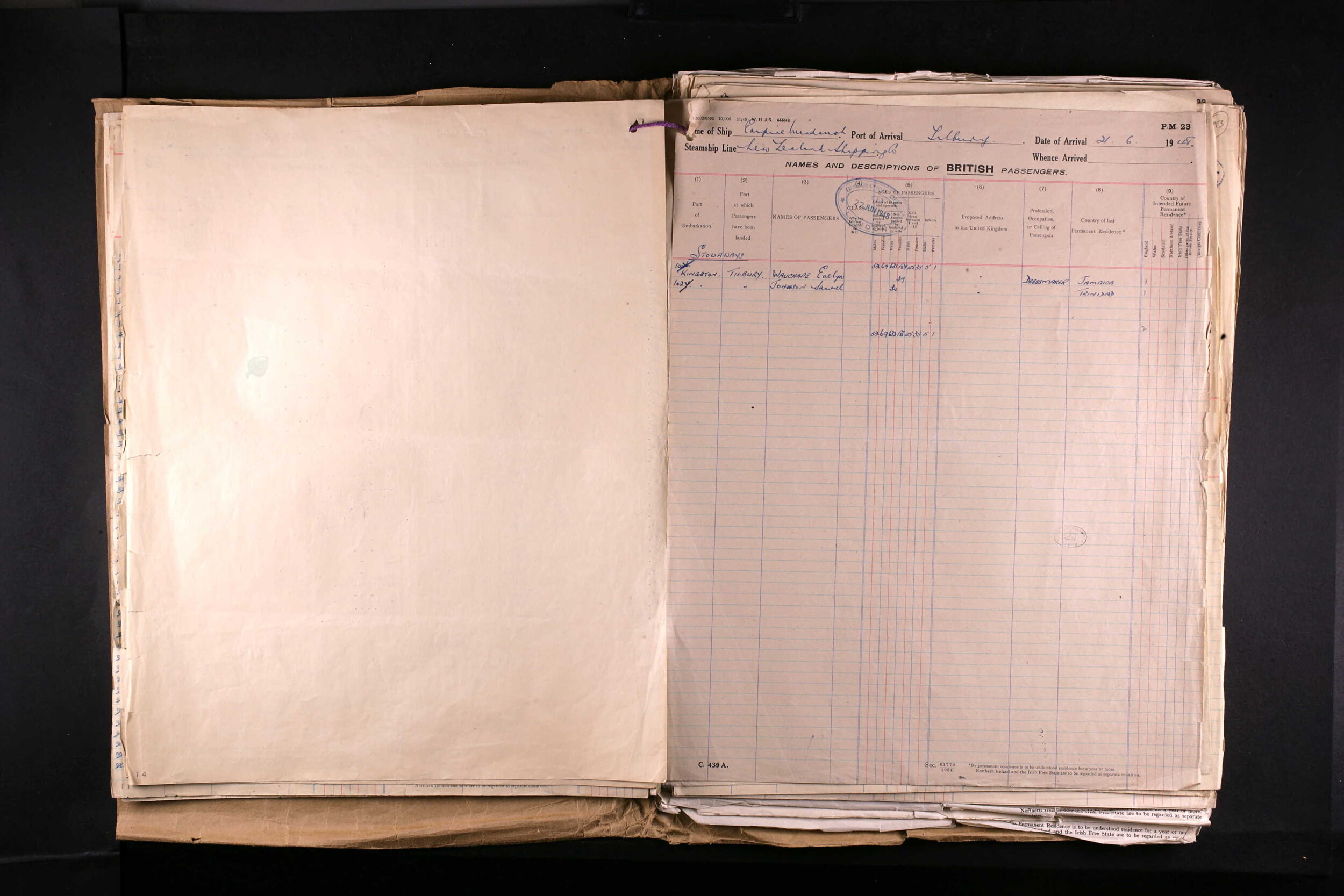
The ship manifests below show the names and details of the 1027 women, children and men who boarded the M.V. Empire Windrush in Trinidad, Kingston, Tampico (Mexico), Havana, and Bermuda, and disembarked at Tilbury Docks, Essex, on the 22 June 1948.
Of these, 802 gave their last residence as a Caribbean country, 66 people gave their last residence as Mexico, 119 were from Britain, and 40 from other parts of the world.
In 2018, many Caribbean born British citizens who came to the UK as part of the Windrush generation were deported in a political scandal. They were wrongly detained, denied legal rights, or threatened with deportation from the UK by the Home Office. This scandal, which is still ongoing today, included people who left the Caribbean as young children and by that time had lived, worked and built families in the UK over 60+ years.
Click through the images to learn more about these brave women, men and children, and do reach out to us if you want to record the stories of your Windrush family, or if we can help you in any way.


Excerpt and Image from a Client's Bespoke Memoir created in 2014
When the Second World War ended in 1945, it was quickly recognised that the reconstruction of the British economy required a large influx of immigrant labour. The Royal Commission on Population reported in 1949 that immigrants of 'good stock' would be welcomed 'without reserve'. Consequently, large numbers of workers and their families from outside Europe – mainly from the Caribbean, India and Pakistan – made their way to the United Kingdom in search of a better life. These immigrants were invited to fill labour requirements in London’s hospitals, transportation venues and railway development.

The Storyteller, from Antigua, migrated during the Windrush era to train as a nurse in the UK.
Before 1962, the time when Edrisse first moved to England, there was an 'open door' tradition for Commonwealth Immigrants. In fact the British Nationality Act of 1948 uses the terms 'Commonwealth citizen' and 'British subject' as one and the same thing. However, many immigrants faced various degrees of hostility and racial prejudice with surveys conducted in the mid 1960s, for example, revealing that four out of five British people felt that 'too many immigrants had been let into the country'.
Learn more about this project: Edrisse
Learn more about Windrush by exploring these resources
Read the original British Nationality Act 1948
The Windrush Betrayal, by Amelia Gentleman
The report of the Windrush Lessons Learned Independent Review, by Wendy Williams
Legacies of British Slave Ownership, by the University College London
The Windrush generation: 70 years of Caribbean fashion, by gal-dem.com