How to Commission a Family History Book: A Step-by-Step Guide
There's a particular kind of regret that comes too late.
A parent or a grandparent passes, and suddenly you realise you never asked about the village or town they grew up in, the war they lived through, or the recipes they made without measuring a thing. The stories were right there… and then they weren't.
Commissioning a family history book is one of the most meaningful things you can do to make sure that doesn't happen. But if you've never done it before, the process can feel mysterious. Where do you even begin? What does it actually involve? And how do you turn a lifetime of scattered memories into something coherent, beautiful, and built to last?
Here's how it works – from the very first step to the moment you hold the finished book in your hands.
Start With What You Have
Before you speak to a single book designer or writer, take stock of your raw materials. You'd be surprised what counts.
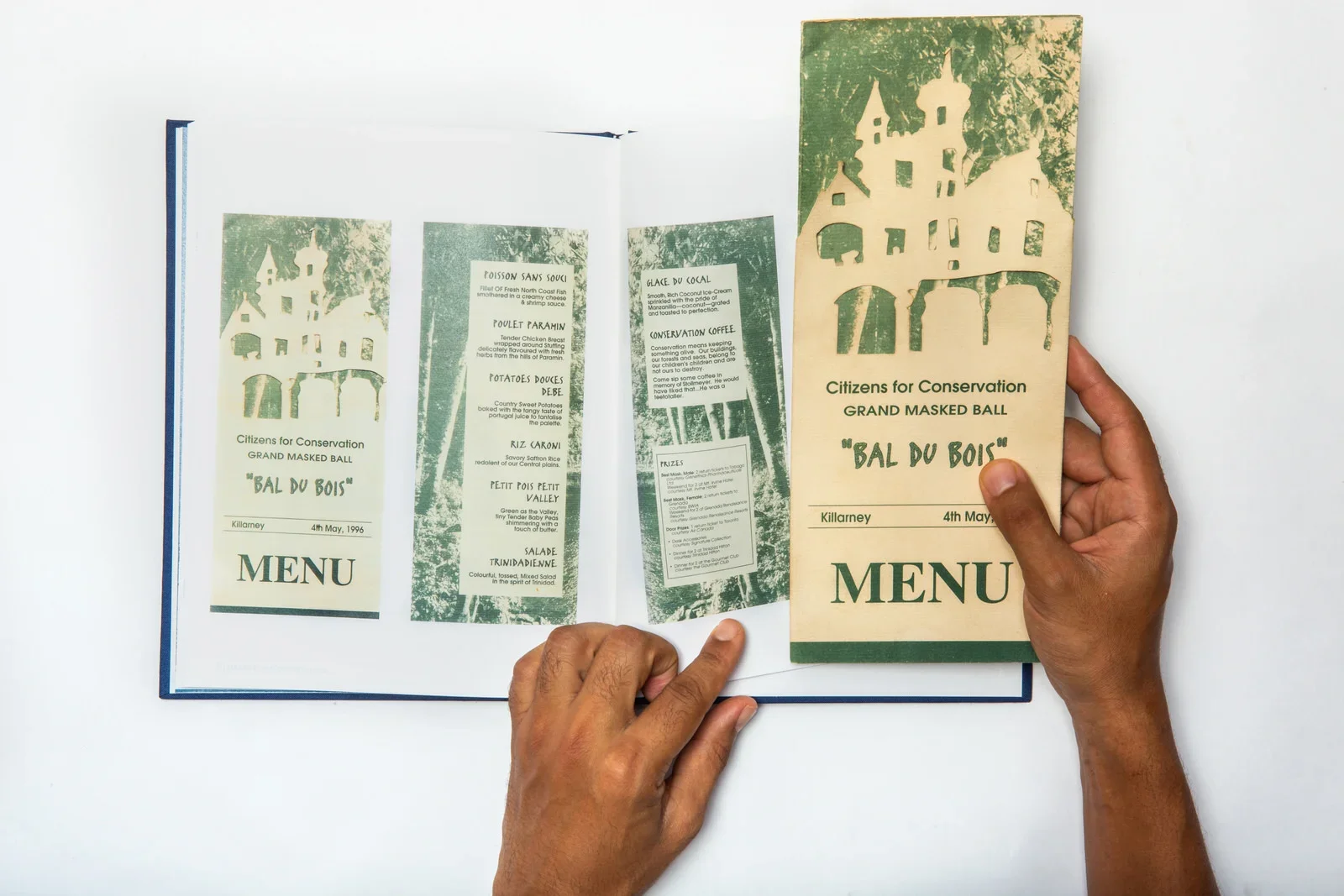
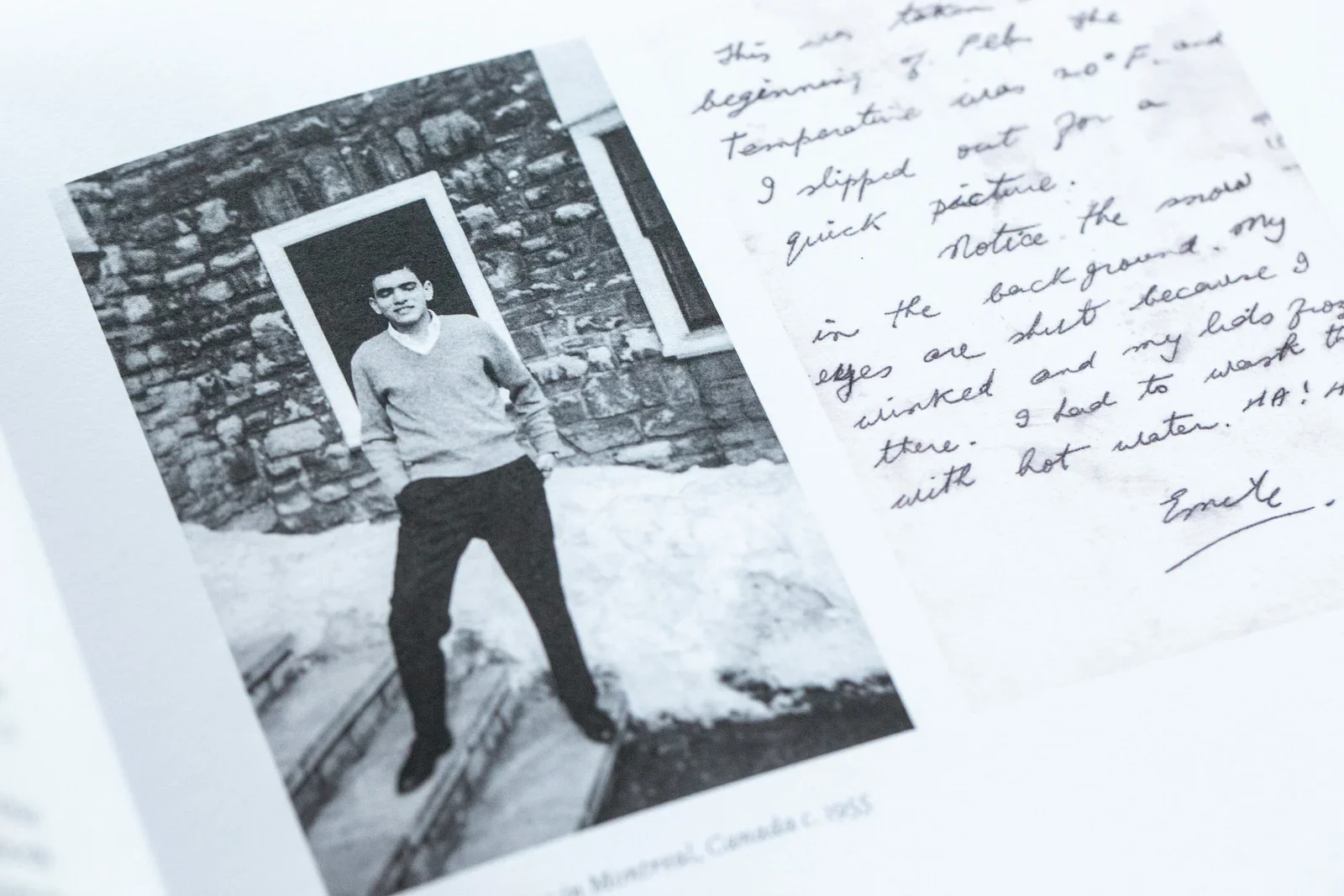
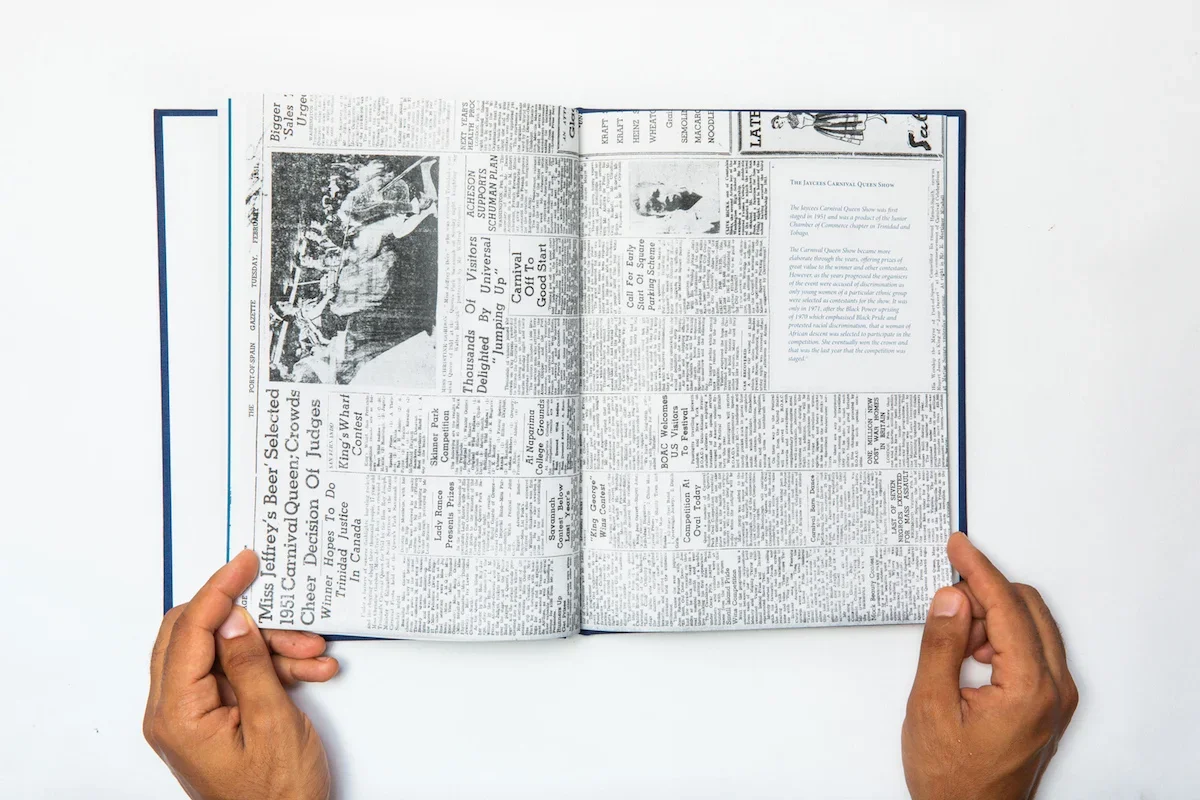
Photographs (even faded, creased ones) are obvious. But letters count too. Old passports. Newspaper clippings. Certificates. A handwritten recipe. A menu from a dinner that mattered. Even an object, like a piece of jewellery or a battered suitcase, can anchor a whole chapter of your story.
When the Ferreira family came to Plantain, they arrived with what can only be described as a living museum: meticulously researched histories, earlier interviews, photographs soft from handling, and artwork by great artists. There was even Granny's famous garlic pork recipe. Over 65,000 words and 437 images eventually made it into a 356-page volume, but it all started with a family who had been lovingly keeping things.
You don't need to have an archive that vast. Even a shoebox of old photos and a few willing relatives is enough to begin.
Decide What Kind of Book You Want
Not every family history book looks the same, and understanding the shape of yours early on will save time.
Some books follow a single life, like a memoir built around one person's journey. The Salvatori book, for instance, traces the arc of a Corsican migrant who left for Venezuela with 35 francs in his pocket, fled to Trinidad, built a department store empire, and ended up in a personal relationship with General de Gaulle. One extraordinary life, and through it, the story of a whole family.
Other books are more choral. The Ferreira family volume weaves together the voices of an entire community – the Portuguese diaspora in the Caribbean – through menus, letters, studio portraits, and stories told around Sunday tables.
And some sit somewhere in between: a family patriarch's memoir that opens out into a wider family history, or a personal story anchored in a particular place and time.
Think about which shape feels right. Are you capturing one person's voice, or a whole family's? Is the story about a life, a lineage, or both?
Find the Right Partner
This is the decision that will determine everything. The writer, designer, or service you choose will shape how your story is told, how it looks, and how it feels in the hands of your grandchildren fifty years from now.
A few things to look for:
Do they conduct original interviews? Some services work only from material you provide. Others, like Plantain, provide skilled interviewers to sit with your family, draw out the stories, and capture voices you might never have heard otherwise. The best books tend to come from a combination of both: your archives plus fresh oral histories.
Is the design bespoke, or template-based? There's a world of difference between a book designed from scratch (where the typography, colour palette, and visual language emerge from the story itself) and one slotted into a pre-existing template. For the Ferreira book, Plantain drew the design language from Portuguese azulejos tiles, translating their geometry into grids and blue accents inspired by the Caribbean sea. That kind of design thinking can't come from a template.
Have they handled stories like yours before? Family histories can involve immigration, war, cultural complexity, multiple languages, and sensitive dynamics. You want a team that has navigated those waters. Plantain has worked with families across 28 countries, and their client list includes everyone from entrepreneurs to Fortune 500 leaders.
The Interview and Research Phase
This is where the bespoke process really earns its keep.
Good interviewers don't just ask questions. They create the conditions for people to remember. They know how to coax a reluctant uncle into sharing the story he's told a hundred times at dinner but never thought was "important enough" to record. They know when to push gently and when to sit quietly and let silence do the work.
At Plantain, this phase can stretch over months. For the Emile Elias Group's 50th anniversary book, the team didn't limit interviews to senior leadership. They spoke to people at every level of the organisation, and those conversations produced some of the most human, revealing moments in the finished book.
Alongside interviews, this is the phase where archives get curated. Not everything can go in, and choosing what to include (and what to leave out) is one of the most important editorial decisions in the process. A skilled team will help you navigate that, preserving what matters without drowning the reader.
Writing, Editing, and Design
Once the interviews are transcribed and the archives catalogued, the real craft begins.
The writing has to do something difficult: it has to sound like the people whose stories it tells. A family history book that reads like a textbook has failed, no matter how accurate the facts. The goal is a narrative voice that feels true – warm where the family is warm, wry where they're funny, restrained where the subject demands it.
Design runs in parallel. In a bespoke book, the visual language isn't applied after the writing is done; it grows alongside it. The Ferreira book's design borrowed the geometry of azulejos tiles, paired with warm creams, soft greys, and generous white space that gave the memories room to breathe. The Fortune 500 leader's memoir took a completely different approach: minimalist spreads, bold blues, grey linen cover with red print, reflecting the protagonist's disciplined "Athletic, Aesthetic, Ascetic" life philosophy.
This is where a bespoke studio and a template service part ways entirely. The design should feel inseparable from the story. When you open the book, the colours, the typeface, and the paper should whisper the same thing as the words.
Production and Printing
A book designed for posterity deserves to be printed like one.
High-end printing means colour accuracy that does justice to a photograph taken in 1952. It means paper with weight and texture you can feel. It means binding that will hold together after decades of being pulled from shelves, opened on laps, and passed between generations.
Even the packaging can tell a story. When Plantain delivered the Emile Elias Group's commemorative book — 10,000 copies — the packaging materials were chosen to reference the construction industry the company built its legacy in. A small detail, but the kind that separates a thoughtful studio from a production line.
Delivery, and What Comes After
The moment you hold the finished book is hard to describe. Clients are often at a loss for words.
And a good book doesn’t end at the shelf. The material created during the project – the digitised photos, the design assets, the interviews – can take on a second life. The Cher-Mère family business book generated content that the company now uses across its website and social media. The Emile Elias Group used spreads from their book as backdrops at anniversary events.
Your book can work the same way. Gifted at reunions, opened by visitors, returned to by grandchildren curious about where they came from… it keeps doing its job long after the last page was printed.
Where to Begin
If you're reading this and thinking about your own family's stories – the ones that live in your parents' memories, in that box of photographs in the attic, in the anecdotes your grandmother tells every Christmas – the best time to start is now. These things don't wait.
Get in touch with Plantain to start a conversation about your family's book. Or browse our portfolio to see the kind of work we do.
Because the stories you record today are the currency that will keep your family's bond alive for years to come.